Why Vegetarian Indian Food Deserves a Place on Every Table
Indian cuisine has long been celebrated for its bold spices, layered flavours, and regional diversity. For anyone who has spent time in a proper Indian kitchen, it becomes clear that vegetables are not an afterthought. They are central to the cooking tradition. The misconception that Indian food is mostly about meat probably comes from the popularity of dishes like chicken tikka masala and lamb rogan josh in Western restaurants. But the truth is, vegetarian Indian food is not just a subset of the menu. It is the backbone of a culinary culture that has been refining plant-based cooking for centuries.
In many Indian households, meat appears only a few times a week, if that. The daily meals rely on lentils, beans, vegetables, and grains, all treated with the same depth of spicing as any meat dish. This is not a modern health trend. It is a tradition rooted in economics, geography, and religion. And it means that the techniques for making vegetables taste extraordinary are deeply embedded in the cooking culture.
The Spice Foundation
What makes vegetarian Indian food so satisfying is the way spices are used to build layers of flavour. A simple dish of potatoes and peas becomes something memorable when cooked with cumin seeds that crackle in hot oil, a pinch of asafoetida that adds a savoury depth, and a final dusting of garam masala. The trick is not just throwing spices in. It is about timing, heat, and the order in which they are added. Whole spices are often fried first to release their essential oils. Ground spices go in later to avoid burning. This technique applies whether you are cooking a dal, a vegetable curry, or a stir-fry.
Take a dish like baingan bharta, where eggplant is roasted over an open flame until the skin chars and the flesh turns smoky. Then it is mashed and cooked with onions, tomatoes, ginger, and a blend of spices. The result is rich, earthy, and deeply satisfying. No cream, no butter, no meat. Just careful cooking and good ingredients. That is the essence of this cuisine.
Regional Variations
India is a vast country, and its vegetarian cooking changes dramatically from region to region. In the north, you find paneer-based dishes like palak paneer and shahi paneer, along with hearty lentil preparations and breads like naan and roti. The cooking tends to be richer, with more dairy and cream. In the south, the focus shifts to rice, coconut, and tamarind. Dishes like sambar, rasam, and avial are light, tangy, and packed with vegetables. The use of curry leaves, mustard seeds, and dried red chillies gives southern cooking a distinctive character.

In the west, particularly Gujarat and Rajasthan, the vegetarian tradition is especially strong. Gujarati thalis are a feast of small dishes, each with a different flavour profile: sweet, salty, sour, and spicy all on one plate. The cooking relies on ingredients like yogurt, buttermilk, and chickpea flour to create texture and body without meat. In the east, Bengali cooking is known for its use of mustard oil and panch phoron, a five-spice blend that includes fenugreek, nigella, and fennel seeds. Vegetables are often cooked with minimal water to concentrate their natural sweetness.
What ties all these regions together is a respect for the ingredient. Vegetables are not hidden under heavy sauces. They are allowed to speak, supported by spices that enhance rather than mask.
Protein Without Meat
One of the most common concerns about vegetarian Indian food is whether it provides enough protein. The answer is yes, provided you know where to look. Lentils, or dal, are a staple in almost every Indian meal. They come in many varieties: toor dal, masoor dal, chana dal, urad dal. Each has its own texture and flavour. When eaten with rice or flatbread, the combination provides a complete protein profile. Chickpeas, kidney beans, and black-eyed peas are also widely used, often in curries that are hearty enough to stand on their own.
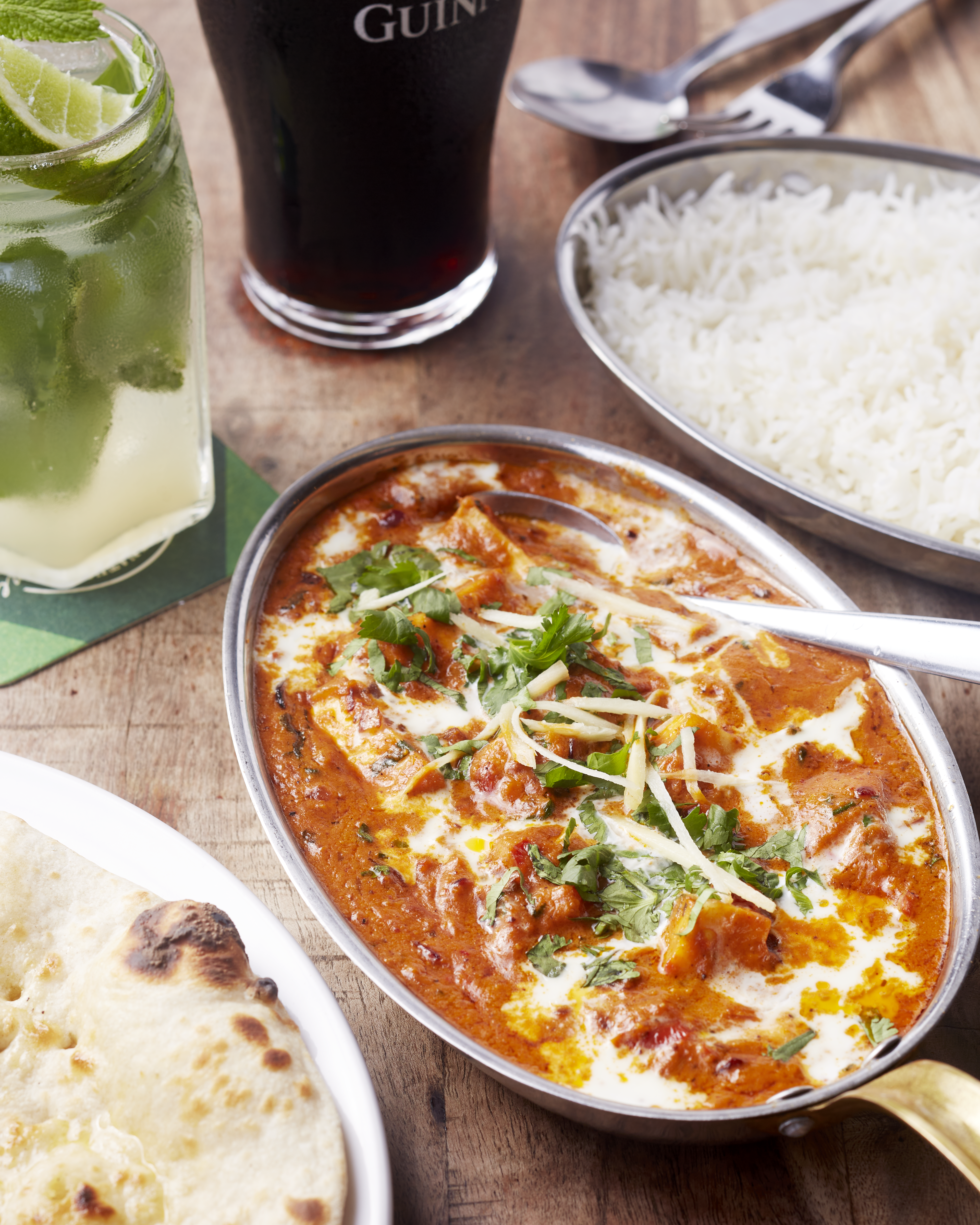
Paneer, a fresh cheese, is another excellent source of protein. It holds its shape when cooked and absorbs the flavours of the spices around it. Dishes like matar paneer, where cubes of paneer are simmered with peas in a spiced tomato gravy, are popular for good reason. They are filling, nutritious, and deeply satisfying. For those who avoid dairy, there are also plenty of options based on legumes and vegetables.
Eating With the Seasons
Traditional Indian cooking is closely tied to the seasons. In summer, lighter dishes like kachumber salad and yogurt-based raitas are common. In winter, root vegetables and greens take centre stage. Sarson ka saag, a purée of mustard greens, is a winter classic in Punjab, often eaten with makki di roti, a cornmeal flatbread. The dish is simple but deeply flavourful, relying on the natural bitterness of the greens balanced by ginger, garlic, and green chillies.
This seasonal approach is not just about taste. It also makes economic sense. Vegetables that are in season are cheaper and more nutritious. They require less transport and storage, which means they are fresher when they reach the kitchen. For home cooks, this is a practical way to eat well without spending a lot of money. And for restaurants, it means that the menu can change regularly, offering variety to regular customers.
Common Misconceptions
A lot of people assume that vegetarian Indian food is automatically healthy. That is not always true. Some dishes are deep-fried or cooked with large amounts of ghee and cream. A bowl of dal makhani, for example, can be quite heavy because of the butter and cream added at the end. Similarly, many street food snacks are fried and can be high in calories. The key is to choose dishes that are cooked with minimal oil and rely on spices rather than fat for flavour. A simple stir-fried vegetable dish or a lentil soup is usually a better choice than a rich, creamy curry.
Another misconception is that vegetarian Indian food is bland or boring. Nothing could be further from the truth. The variety of spices, the different cooking techniques, and the regional diversity mean that there is always something new to try. A well-made vegetable curry can be as complex and satisfying as any meat dish. The trick is to cook with care and to use fresh spices. Pre-ground spice blends that have been sitting in a cupboard for months will not give you the same result as freshly toasted and ground spices.
Practical Tips for Cooking at Home
If you want to explore vegetarian Indian food at home, start with the basics. Get a good supply of whole spices: cumin seeds, mustard seeds, coriander seeds, cardamom pods, cinnamon sticks, and cloves. Learn how to toast them gently in a dry pan until they become fragrant. Invest in a decent spice grinder or a mortar and pestle. Freshly ground spices make a noticeable difference.
Start with simple dishes like dal tadka, where cooked lentils are finished with a tempering of cumin seeds, garlic, and dried red chillies fried in ghee or oil. Or try aloo gobi, a dry curry of potatoes and cauliflower cooked with turmeric, ginger, and coriander. These dishes are forgiving and teach you the basic techniques. As you gain confidence, you can experiment with more complex recipes like biryani or korma.
One thing to keep in mind: salt is important. Indian cooking often uses salt to balance and enhance the other flavours. Do not be afraid to season generously. Also, pay attention to the acidity. A squeeze of lemon juice or a splash of vinegar can lift a dish and make the spices sing.
Where to Find Good Vegetarian Indian Food
Not all Indian restaurants give vegetarian dishes the same attention they give to meat. But the ones that do, tend to stand out. A good sign is a menu that lists several vegetarian options beyond the usual vegetable curry and dal. Look for dishes like bhindi masala, chana masala, baingan bharta, and paneer tikka. If the restaurant uses fresh spices and cooks vegetables to order, the quality will be evident.

For those in Birmingham, Smokey Barrels, located at 1741 Coventry Rd, Birmingham B26 1DS, UK, offers a range of vegetarian dishes alongside its tandoori specialities. The kitchen uses a clay tandoor for much of its cooking, and the vegetarian options are prepared with the same care as the meat dishes. You can reach them at +44 121 764 5519. It is a practical choice for anyone looking for well-made vegetarian Indian food in the area, especially if you are near the airport or the NEC.
Whether you are a lifelong vegetarian or just someone who wants to eat more plants, the world of Indian cooking has a lot to offer. It is a cuisine that rewards attention to detail and respects the ingredient. And once you start exploring, it is hard to stop.
Connect with us on Pinterest.
Ends · THEVEGETARIANINDIANFOODMARKET